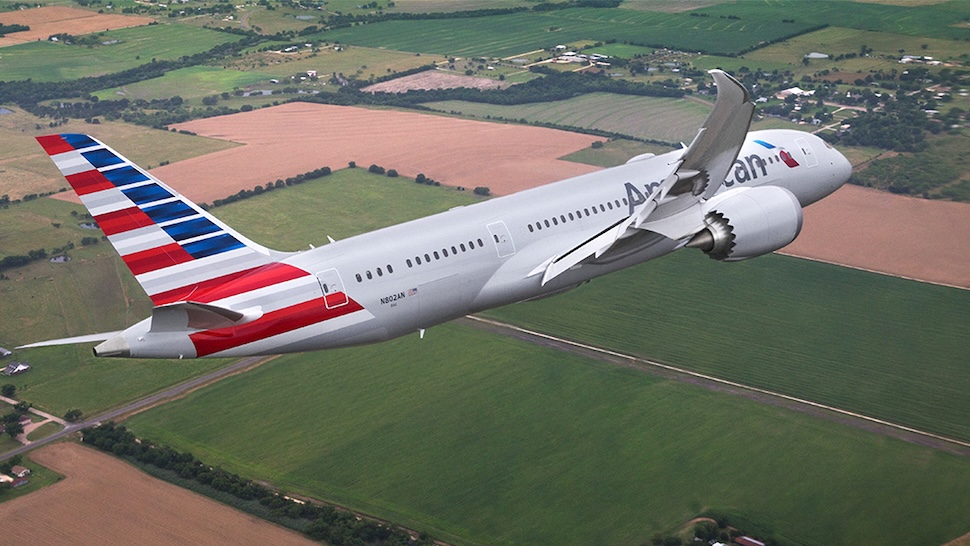
Fort Worth-based American Airlines and Google have announced a “record-breaking” agreement for sustainable aviation fuel certificates (SAFc), representing the largest publicly announced SAFc agreement between an airline and a single corporate customer to date. The new agreement will unlock 35 million gallons of SAF over three years, resulting in nearly 300,000 metric tons of carbon dioxide equivalent emissions reductions, American said.
Under the agreement, American will purchase and take delivery of physical fuel for Chicago O’Hare International Airport through existing infrastructure, the SAF portion of which will be produced from waste feedstocks like used cooking oil. In turn, Google will receive the environmental benefits of those purchases, helping to address its emissions from employee business travel via the SAFc Registry, which enables transparent and traceable book-and-claim SAFc.
The long-term nature of this agreement allowed American to secure a new long-term SAF contract with Valero Marketing and Supply Company, the airline said, strengthening American’s “longstanding commitment to SAF.”
“Our industry-leading agreement with Google is a critical step forward in reducing emissions from our operations,” American’s chief sustainability officer, Jill Blickstein, said in a statement. “By working with leaders like Google who share our commitment to innovation, we’re helping to grow demand for SAF and support the development of a stronger, more resilient market.”
Illinois lawmakers offer SAF tax credit
Illinois Governor JB Pritzker and the Illinois General Assembly paved the way for the agreement by enacting a SAF tax credit, which enables American to bring significant volumes of SAF to O’Hare International Airport.
“Illinois is proud to be at the forefront of the clean energy industry,” Pritzker said in a statement. “This agreement demonstrates how our nation-leading SAF tax credit can bring industry leaders together as we work toward a more sustainable future. Through partnerships with innovators like American Airlines and Google, we’re strengthening Illinois’ role as a global aviation hub and accelerating the transition to cleaner energy.”
Catalyzing investment in SAF
SAF is a liquid fuel currently used in commercial aviation that is produced from feedstocks, including waste oil and fats. It can also be produced synthetically using captured carbon dioxide and renewable electricity. SAF can reduce emissions by up to 80% compared to traditional jet fuel and is a promising solution for decarbonizing the hard-to-abate aviation sector, American said.
“This strategic collaboration with American Airlines demonstrates how companies can work together to scale critical sustainability technologies,” said Kate Brandt, Google’s chief sustainability officer. “By entering into this long-term commitment, we are sending a vital demand signal to catalyze investment and bring more SAF to market.”
Technologies that mitigate environmental impacts
The global aviation industry, which generates more than $4 trillion in economic activity per year and supports 86.5 million jobs, currently accounts for around 2% to 3% of global carbon dioxide emissions. American calls SAF “a critical component in aviation decarbonization,” with the potential to significantly lower life cycle greenhouse gas emissions as a drop-in fuel compared to conventional petroleum-based jet fuel. However, the SAF industry hasn’t yet attracted the investment required to scale production at competitive prices in line with market needs.
American and its oneworld alliance partners are focused on supporting new technologies that can scale the availability of cost-competitive SAF, the company said, while minimizing other environmental impacts. American also continues to invest in modern aircraft, engines and operational efficiencies.
This isn’t the first time American has partnered with Google, In 2025, the companies, along with Contrails.org and Flightkeys, conducted a 16-week trial that integrated contrail avoidance into the airline’s flight planning processes. The trial resulted in a statistically significant 62% reduction in contrail formation and a substantial reduction in related warming, the airline said.
Don’t miss what’s next. Subscribe to Dallas Innovates.
Track Dallas-Fort Worth’s business and innovation landscape with our curated news in your inbox Tuesday-Thursday.
R E A D N E X T
-
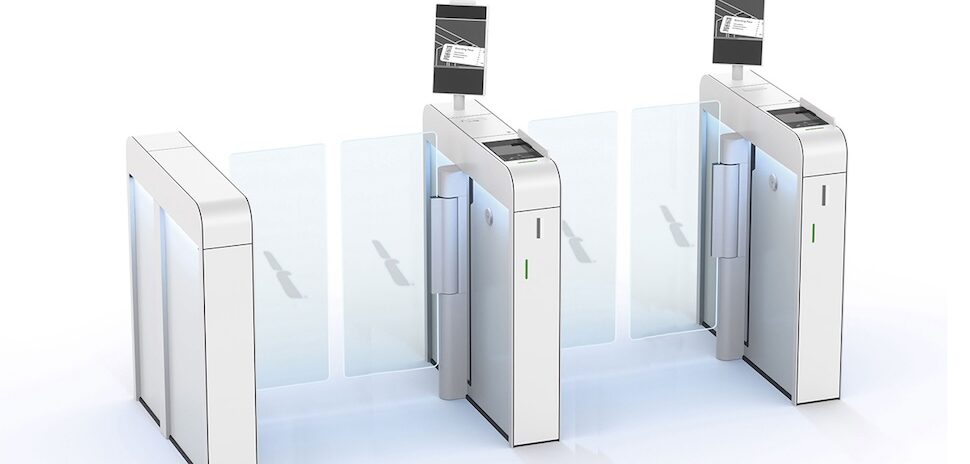
Created by Switzerland-based dormakaba Group, the new gates will be installed at American's new Terminals A and C pier expansions—automatically validating boarding passes as passengers pass through to board their aircraft.
-
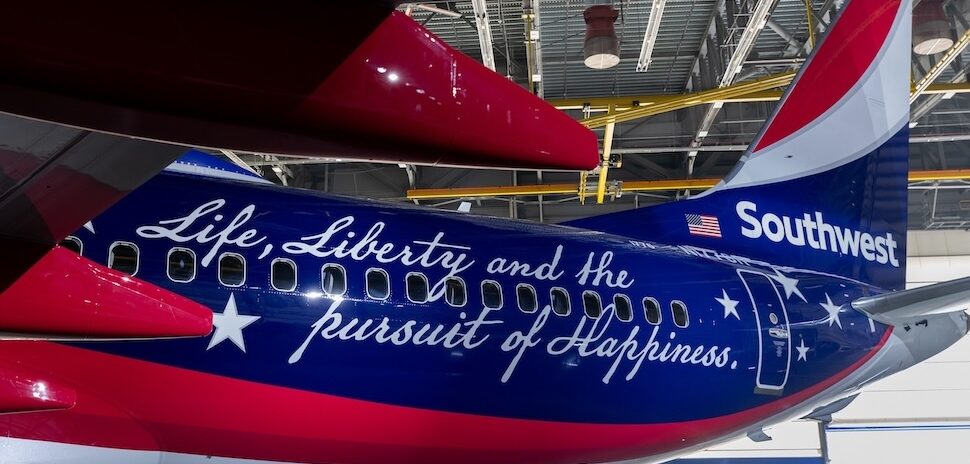
Independence One will officially join the fleet on Wednesday with a flight from the airline's hometown in Dallas to Philadelphia, the birthplace of the Declaration of Independence and the U.S. Constitution.
-
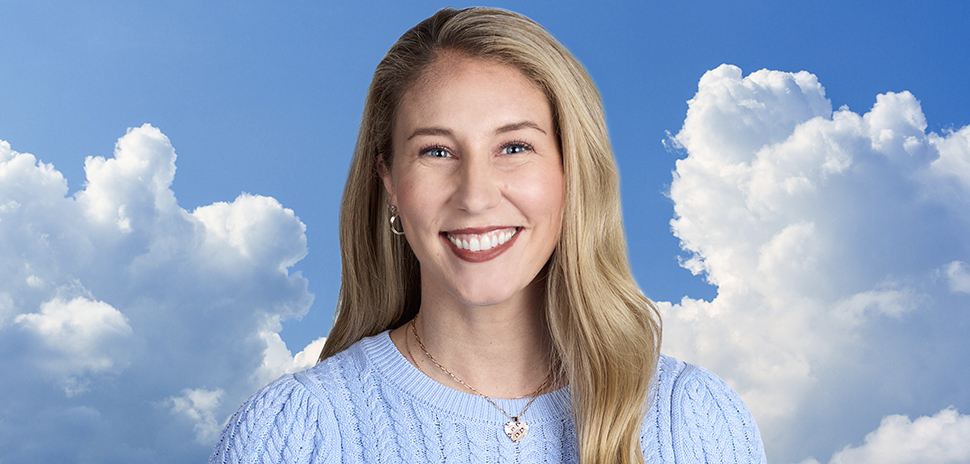
In the newly created role, Sabrina Callahan will help shape the strategic path for Southwest's marketing and digital strategy, enhancing the relationship between the airline's customers and its brand in an "authentic, distinctly Southwest way," the airline said.
-
Edward Sigmond—who served as chairman, president, and CEO of restaurant holding company Great American Food Chain since its 2003 founding—is stepping down with the merger. Green Matter CEO Joe H. Wicker Jr. is assuming the roles of CEO and chairman of the board of directors of the combined company.
-
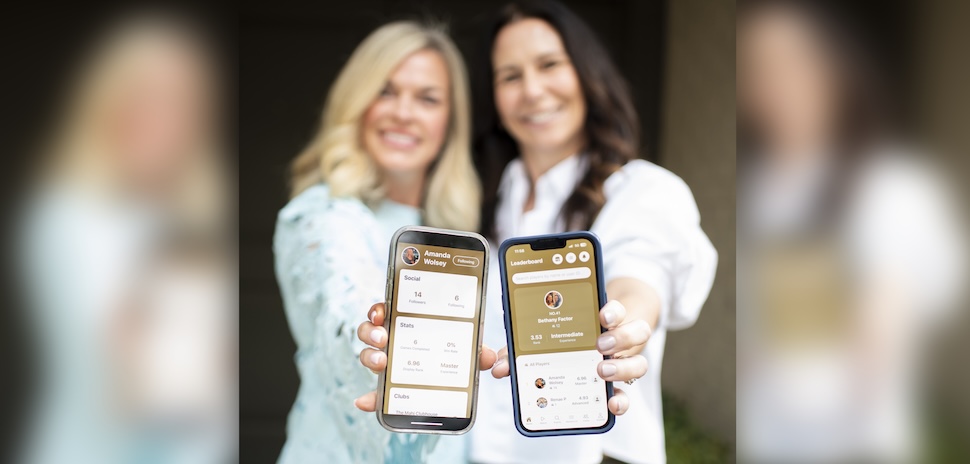
Co-founded by two Fort Worth women entrepreneurs, the AMR platform aims to boost Mahjong's already massive pop culture success by providing an American framework for ranked play connecting players, clubs, leagues, instructors, and facilities through standardized competition.