In less than three weeks, many travelers who dread the drive to Dallas Fort Worth International Airport and Dallas Love Field will have a third option: McKinney National Airport.
The airport is set to open its new 46,000-square-foot terminal Nov. 11, the same day Houston-based Avelo Airlines begins commercial passenger service there. The airport is in Collin County, roughly 30 miles north of downtown Dallas and near such fast-growing cities as Frisco, Prosper, Allen and Celina.
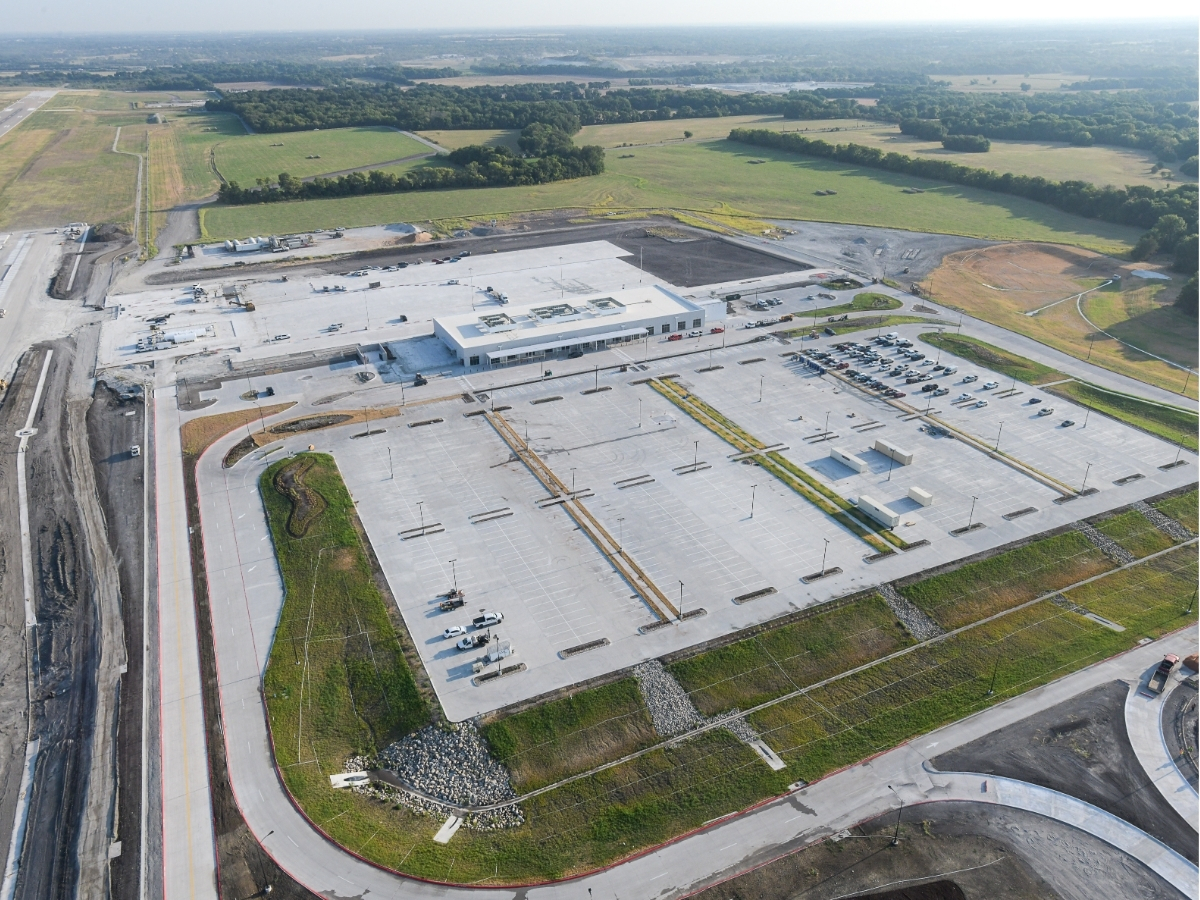
McKinney National Airport has a new 46,000-square-foot passenger terminal with four gates, expanded parking and other supporting infrastructure. [Photo: City of McKinney]
Flights to Fort Myers, Florida, take off Nov. 11, followed by service to Las Vegas and Orlando on Nov. 12 and Fort Lauderdale and Tampa on Nov. 19. Flights to Atlanta, Denver, Nashville, New Orleans and two more Florida destinations — Sarasota-Bradenton and West Palm Beach — begin in December.
The low-cost airline plans to base three 184-seat Boeing Next-Generation 737-800 aircraft at the newly expanded airport facility. McKinney National Airport Director Ken Carley told Dallas Innovates that McKinney will be one of five national crew bases for Avelo.
For commercial air traffic and passengers looking for flights, McKinney National Airport will use the International Air Transport Association code DTX, reminding customers that the facility is part of the Dallas metro area. For pilots, air traffic control and general aviation, the airport will continue to use the FAA location identifier of TKI.
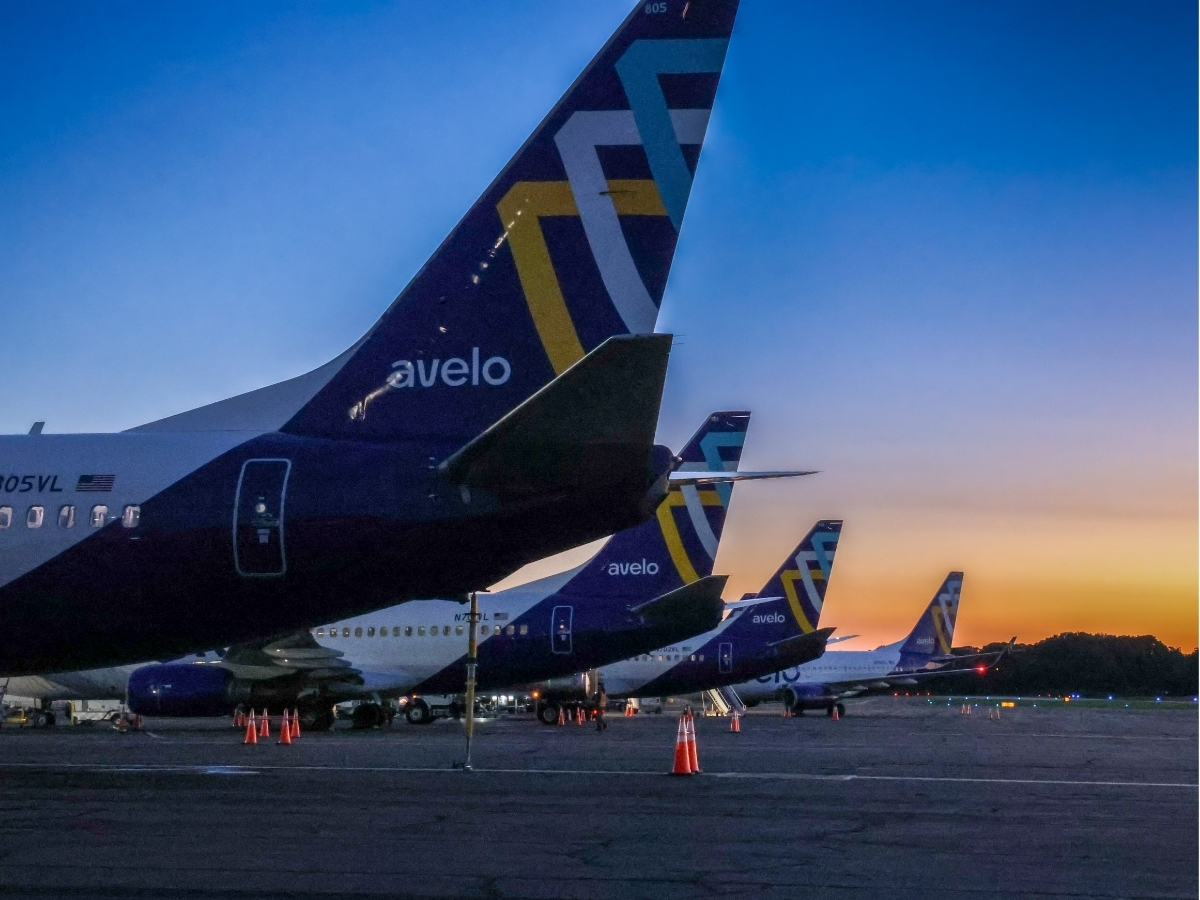
Houston-based Avelo Airlines plans to base three 184-seat Boeing Next-Generation 737-800 aircraft at McKinney National Airport. [Photo: Avelo Airlines]
“North Texas locals and visitors now have access to easy and convenient air travel from their hometown airport to the places they want and need to go,” Carley said. “They will save time, money, and hassle by choosing DTX over the other two airports in the region.”
Avelo Airlines founder and CEO Andrew Levy said that “low fares, the size and convenience of DTX” and the airline’s industry-leading on-time performance “are a winning combination for travelers.”
DTX improvements and impact
To prepare to serve commercial travelers, McKinney National Airport built a new 46,000-square-foot passenger terminal with four gates, expanded parking and added and upgraded taxiways and the apron where planes park at gates.
Last month, the airport received FAA approval for commercial passenger airline service, called a Part 139 Airport Operating Certificate. According to the FAA, this marks the first time since 2005 that a Texas airport has received a certificate for new commercial airline service.
“The community around McKinney is growing rapidly, and accommodating commercial flights will provide the community with greater access to air travel options,” FAA Associate Administrator for Airports Dan Edwards said in an announcement about the operating certificate. “We’re building a stronger National Airspace System, which means providing Texans with the modern, reliable local airports they need to stay connected.”
The DTX terminal addition and supporting infrastructure have an estimated cost of $79 million. The project is funded by sales tax revenue bonds from the McKinney Economic Development Corp. and McKinney Community Development Corp., a $14.8 million Texas Department of Transportation grant, tax increment reinvestment zone funds and airport revenue. It will not raise the local property tax rate, the city said. In 2023, McKinney voters rejected a $200 million bond that would have funded a larger commercial terminal.
According to a 2024 economic impact report, McKinney National Airport generates close to $300 million annually. City officials expect the new service will bring in an additional $400 million. DTX operations will create more than 100 local jobs, Carley said.
Targeting smaller airports in big markets
Airport planners expect about 200,000 passengers in the first year of commercial service at DTX. For comparison, Dallas Fort Worth International Airport handles about 85.7 million passengers and Dallas Love Field about 16.3 million each year.
The smaller airport is what drew Avelo Airlines.
As a secondary airport in a large metro area, “McKinney fits perfectly within our business model,” Courtney Goff, Avelo Airlines communications manager, told Dallas Innovates.
“We find smaller, more convenient airports in large metro areas where we can bring more convenient and more affordable air travel. McKinney fits just that,” Goff said. “Collin County is also one of the fastest-growing counties in the country, and giving travelers more convenient options is key.”
She added that being the first airline to fly at DTX “showcases our desire to provide great air service to the area.”
Early bookings for DTX are ahead of initial projections, Goff said. A nearby option with low fares, nonstop routes and inexpensive parking is drawing a lot of positive attention in the North Texas travel market, she added.
When it launched in 2021, Avelo said it was America’s first new scheduled airline in almost 15 years. The airline currently serves 39 destinations in 17 states and Puerto Rico. In addition to the upcoming service in McKinney, the airline offers twice-weekly service from Dallas Fort Worth International Airport to its East Coast hub in New Haven, Connecticut.
Airport past, present and future
McKinney National Airport began more than 40 years ago as a general aviation airport, and the city will continue to invest in infrastructure and customer services for the general aviation business to continue to thrive, Carley said.
For now, the DTX team is focused on “offering a convenient, reliable airport gateway that serves the travel needs of our growing Collin County” while giving McKinney visitors an easy and welcoming experience, he said. Further expansion will depend on demand and budget.
The launch of commercial passenger service is a major milestone for the community.
“The City of McKinney has been working to deliver commercial airline service to our community for years,” Carley said. “We are excited to deliver on our goals to them.”
He added that as local passengers begin traveling via DTX, “we want them to be proud of their hometown airport.”
“We also want them to feel excited for DTX’s future and what it means for their personal and professional travel needs,” Carley said.
R E A D N E X T
-

The awards program spotlights visionaries, early adopters and trailblazers who are propelling innovation and shaping the future of North Texas tech.
-
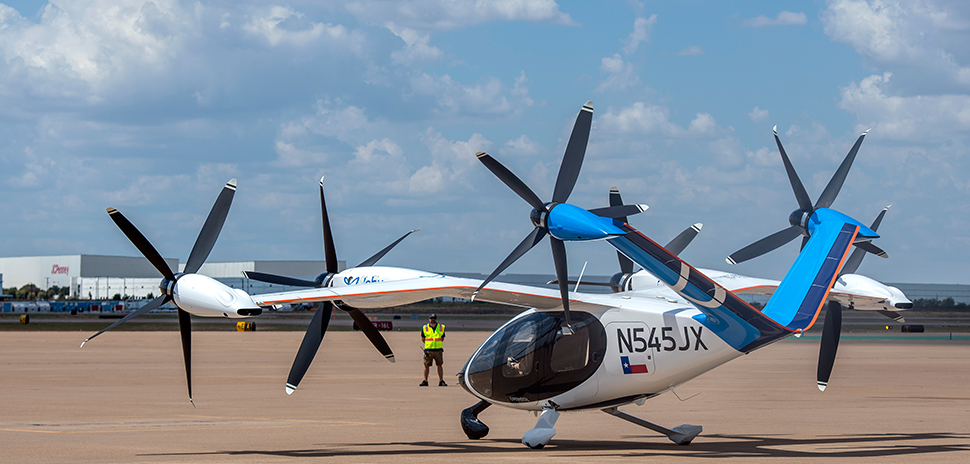
TxDOT’s Project Nexus aims to bring air taxi service to Dallas-Fort Worth and the rest of the Texas Triangle by 2029.
-

Located at DFW’s Terminal A, the Bonton Farms retail store will introduce travelers to the nonprofit’s mission while selling local honey, handmade jams, goat milk soaps, grab-and-go food items, apparel and gifts. It is the organization’s first location outside South Dallas.
-
The airport, a founding member of the Airports AI Alliance, wants its new principal AI lead to put up guardrails, launch pilot projects and help drive a cultural shift.