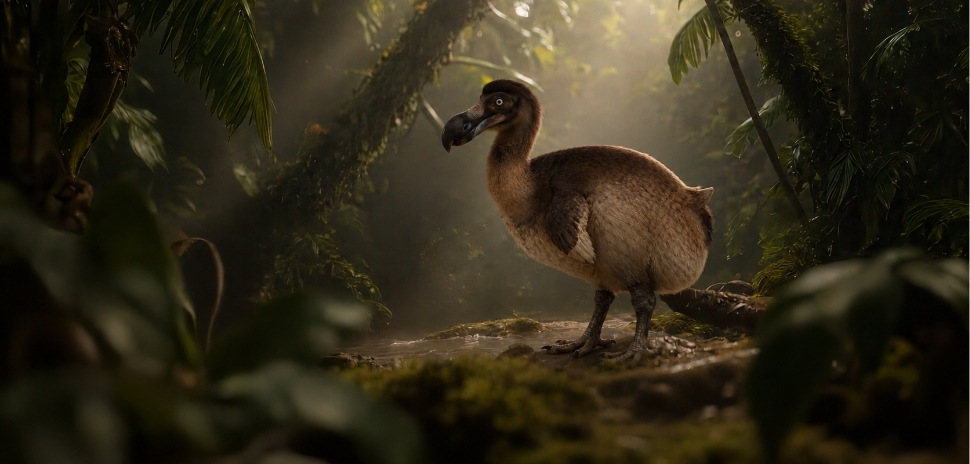
Dallas-based de-extinction company Colossal Biosciences unveiled a new AI platform, GenoMorph, on Wednesday to identify gene-editing targets for reviving the extinct dodo bird.
Despite limited dodo genomic data, GenoMorph has identified an estimated 2,300 candidate genetic elements that may determine beak size and shape, the company said.
“De-extinction is as much a data problem as a biology problem,” Ben Lamm, co-founder and CEO of Colossal, said in a statement.
The scarcity of dodo genomes makes population-level comparisons with living species challenging, he said.
“Our GenoMorph platform provides another path: It learns how regulatory DNA shapes living birds, then identifies the genetic switches that may have contributed to the dodo’s distinctive anatomy,” Lamm said. “This is more than a solution for the dodo. It provides a repeatable approach for extinct species whose genomic records are similarly limited.”
Identifying the genetic switches
Regulatory DNA determines how genes are expressed, acting like switches that turn traits on and off or dials that adjust their intensity. In the case of the dodo, Colossal researchers zeroed in on the extinct bird’s large, uniquely shaped beak and head.
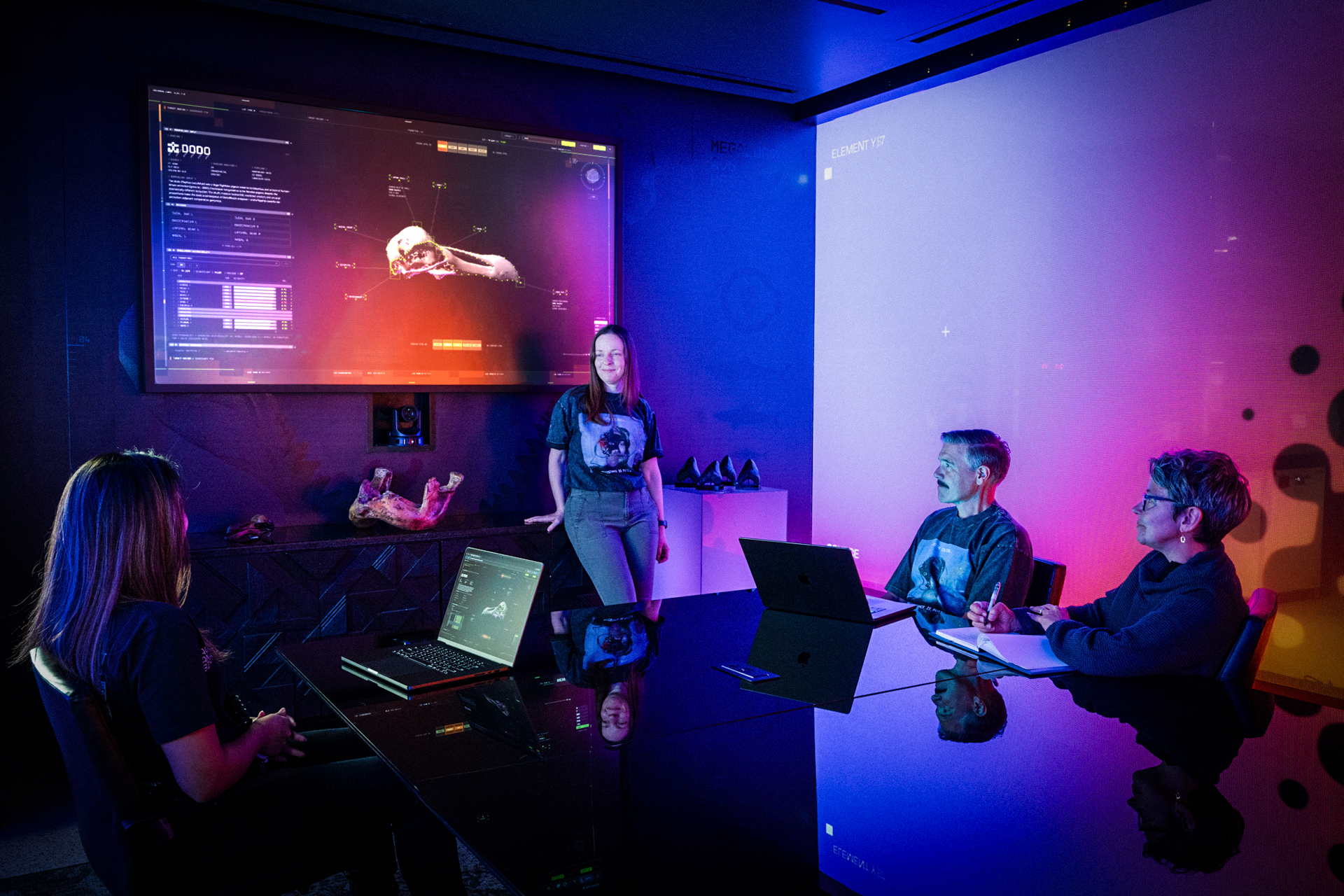
Colossal Biosciences team members, from left, Avian Species Director Anna Keyte, Chief Biology Officer Andrew Pask and Chief Science Officer Beth Shapiro use the GenoMorph software. [Photo: Colossal]
In building GenoMorph, Colossal said its team created a guide based on hundreds of samples from chickens, quail, ducks and pigeons. The samples covered six stages of development in the embryo and tracked three areas of the face.
“The dodo’s defining anatomy emerged from networks of regulatory instructions that are difficult to interpret from ancient DNA alone,” Beth Shapiro, Colossal’s chief science officer, said in a statement. “The answer turned out to be comparative: Use the breadth of living bird diversity, combined with AI, to identify candidate loci for the next phase of testing.”
By studying how skulls and beaks develop in living birds, GenoMorph helps the team prioritize the DNA changes most likely to have shaped the dodo, Shapiro said.
“It establishes a repeatable framework for connecting ancient genomes to extinct traits,” Shapiro said.
The analysis identified potential regulatory DNA elements — more than 650 for beak size and almost 1,700 for beak thickness and breadth. While the findings don’t yet directly link the elements with traits, they identify top priorities for testing, Colossal said.
Reconstructing the dodo’s anatomy
Developing the dataset required more than a year of experimentation, Anna Keyte, avian species director at Colossal, said in a statement. That data now paves the way for GenoMorph “to generate biologically meaningful predictions,” she said.
“You cannot train AI to answer a precise developmental question using just generic data,” Keyte said. “We needed to capture how regulatory activity changes across species, developmental stages and different regions of the face.”
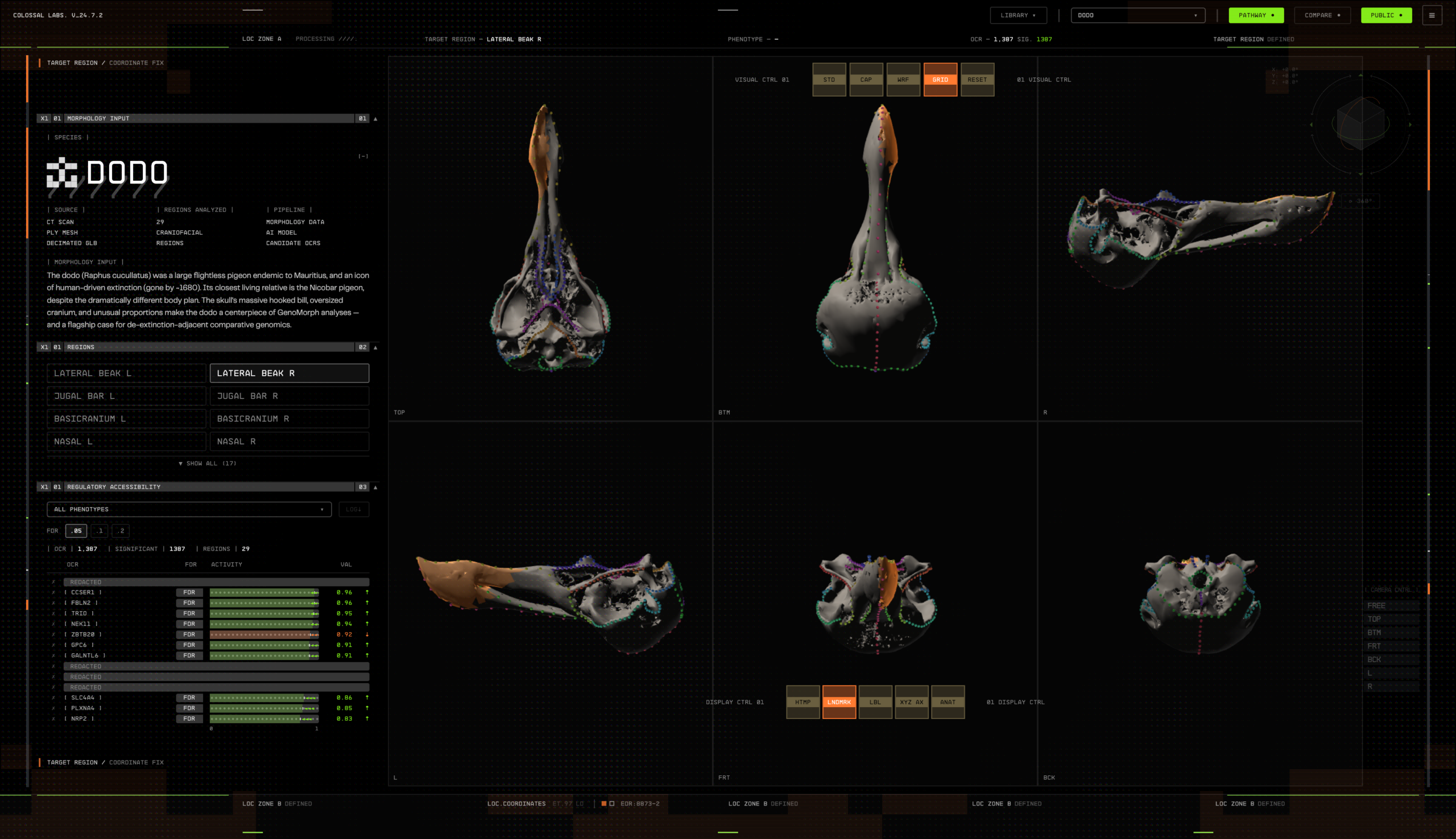
Colossal’s GenoMorph platform uses AI to identify potential gene-editing targets from limited genomic data. [Image: Colossal]
Candidate elements are now entering validation studies. Those confirmed to influence craniofacial development may then be considered for precision editing in the Nicobar pigeon, the dodo’s closest living relative, providing “a data-driven path toward reconstructing key aspects of the dodo’s distinctive anatomy,” Colossal said.
Preliminary GenoMorph findings have been presented at the Craniofacial Gordon Research Conference and the Society for Molecular Biology and Evolution’s annual meeting, Colossal said.
Although the GenoMorph project focuses on dodo de-extinction, the company said its research extends beyond a single species. By pinpointing regulatory DNA in genome sequences, Colossal can create a framework for mapping the genetics behind complex anatomical traits in any bird, including endangered species that lack large genomic datasets.
Colossal is in the final stages of analyzing the dodo genome, and more findings will follow once the genome paper goes through peer review, Shapiro said.
Improving gene editing
Another milestone in the dodo project involves expansion of Colossal’s Texas colony of Nicobar pigeons. Thanks to a successful breeding program, 36 birds now inhabit the colony.
Colossal used Nicobar eggs from the latest breeding season to derive primordial germ cells, or PGCs, which eventually develop into sperm and eggs. PGCs offer an avenue for editing genomes so future generations of birds can carry certain dodo traits, the company said.
Colossal scientists also developed a platform that uses avian embryonic stem cells to produce chimeric chickens, which develop from a mix of the host embryo’s cells and the cultured stem cells, and hatched the first birds made through it. The company said it is expanding the system to pigeons so scientists can test whether an edit has the predicted effect on a bird before editing PGCs.
In what it called “another world’s first,” Colossal developed a platform to introduce DNA, RNA and CRISPR gene-editing tools into developing bird embryos. Scientists have used this method to edit the bone-development regulator.
Colossal said the platform can quickly verify regulatory genetic elements identified by GenoMorph. The strongest candidates are added to Nicobar PGCs to advance gene-editing research.
Colossal’s massive valuation
In January 2025, the world’s first de-extinction company, founded in 2021 by Lamm and renowned Harvard geneticist George Church, became the first “decacorn” startup in Texas. That term refers to a private company valued at $10 billion or more.
At that time, it raised $200 million in a Series C round led by TWG Global. A $120 million extension in September 2025 pushed the Series C to $320 million, total funding to more than $555 million and its valuation to $10.32 billion.
In September, Axios reported that the company is in talks to raise additional funding at a valuation of $25 billion to $26 billion.
R E A D N E X T
-

The foundation and IUCN Species Survival Commission have launched a four-year partnership that will use Colossal Biosciences’ technology to improve tracking of endangered species, including overlooked fungi, plants, invertebrates, fishes and reptiles.
-

Irving-based Builders FirstSource led a $25.3 million Series A investment as part of a larger partnership with the Vancouver, Washington-based maker of AI software for residential construction.
-
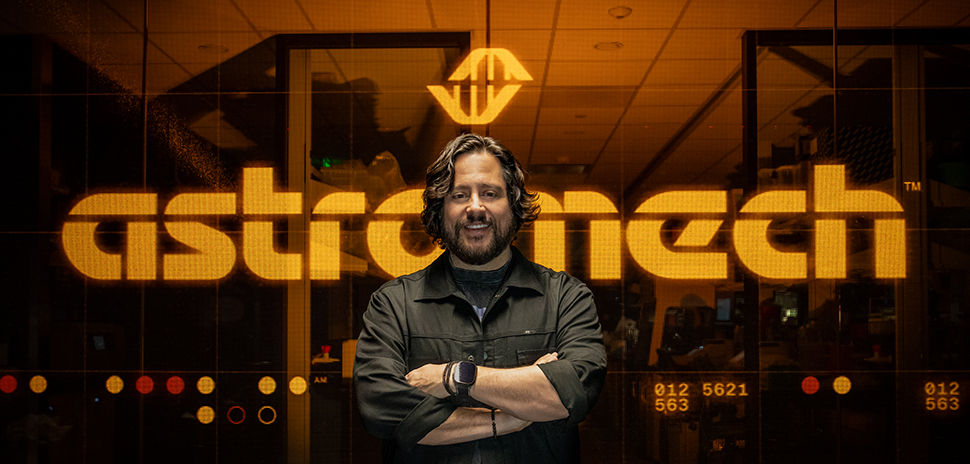
The Dallas-based Colossal Biosciences spinout, now valued at $3.8 billion, is preparing forecasting pilots in health and biosecurity as it scales the model behind its predictions.
-

The startup, led by ex-Remington Hospitality CEO Sloan Dean, relies on 60-plus AI agents to perform back-office tasks so hotel staff can focus on guests.
-
Through demos, webinars and ready-to-use prompts, Retail Ready tackles one real-world retail problem at a time — with no tech expertise required.
-
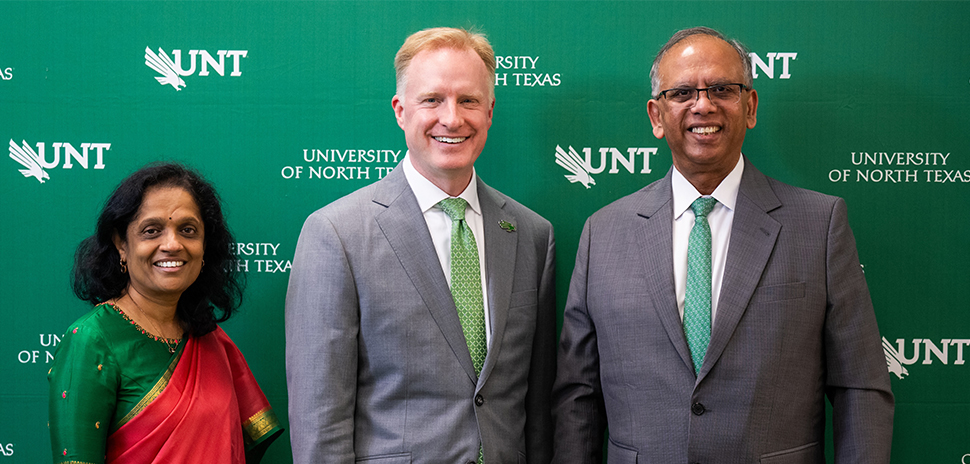
The gift from University of North Texas alum Vikas Sinha and his wife, Anuradha, is the couple’s third to UNT since 2024. It also funds six new endowments for scholarships, research and entrepreneurship.
-

The venture capital-backed company said its engine still decides what’s feasible — even as AI assistants take on more of the legwork.
-

New CBRE research points to a maturing tech workforce in North Texas, fueled partly by the Y’all Street financial services boom.
-
 Patented: Citi’s AI-Generated Suspicious Activity Reports and 105 More Inventions Across North Texas
Dallas-Fort Worth ranked No. 9 nationally with 106 patents the week of Sept. 22. One went to Citibank for a system, developed largely by an Irving team, that uses large language models to draft the reports banks must file when they suspect financial crime.
-

Bush, a veteran of Dialexa, Enseo and Sensori Robotics, joins CoPoint AI co-founders John Humphrey and Dipesh Patel to expand the Dallas-based consulting company’s reach.