As practically everybody in North Texas knows, Friday nights in the late summer and fall mean high school football teams squaring off to claim victories and bragging rights. They also mean heat, occasional lightning and the need for quick decisions about weather safety.
Dallas-based tech company Perry Weather wants to keep those and other student-athletes, along with coaches, fans and others safe during extreme weather. The company, founded in 2013, closed on $110 million in funding to help achieve that goal.
Perry Weather’s technology aims to shield people and operations from harm during severe weather and extreme heat.
Boston-based investment firm Silversmith Capital Partners led the Series C round, with participation from Minneapolis-based investment firm Arthur Ventures, which led Perry Weather’s Series A and Series B rounds.
The Series A round raised $6.25 million, and the Series B round raised $15 million. The new Series C round brings Perry Weather’s total haul to $131.35 million.
Where the money goes
Perry Weather said the funding will accelerate development of its AI and data capabilities and fuel further growth. The growth plan includes adding more than 50 jobs through 2027 across engineering, product development and other categories at its Uptown Dallas headquarters. The company currently employs a little over 100 people, a Perry Weather spokesperson said.
“Weather decisions get made every day at schools, jobsites, and stadiums all across the country, and Perry Weather has become the way organizations make them,” said Pat Meenan, general partner at Arthur Ventures.
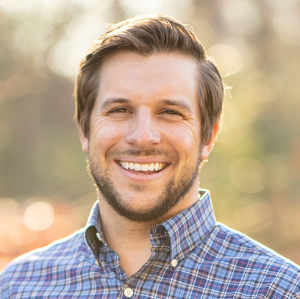
Perry Weather founder and CEO Colin Perry [Photo: Perry Weather]
Perry Weather said its more than 3,000 customers include school districts, municipalities, construction firms, manufacturers and major-league sports teams.
“Weather is getting more regulated and more disruptive every year, and the stakes are human lives,” Colin Perry, founder and CEO of Perry Weather, said in a statement.
Perry earned a bachelor’s degree in meteorology from Texas A&M University.
Solving a weather worry
The company said nearly all of its customers have enacted policies regarding inclement weather.
“What most lack is a consistent way to enforce those policies,” Perry Weather said. “Today that job falls to a coach, superintendent or safety manager watching a consumer weather app fed by stations miles away, then deciding in the moment whether to clear the field or shut down the site.”
Perry Weather said its technology frees human decision-makers to focus on other pressing matters during extreme weather.
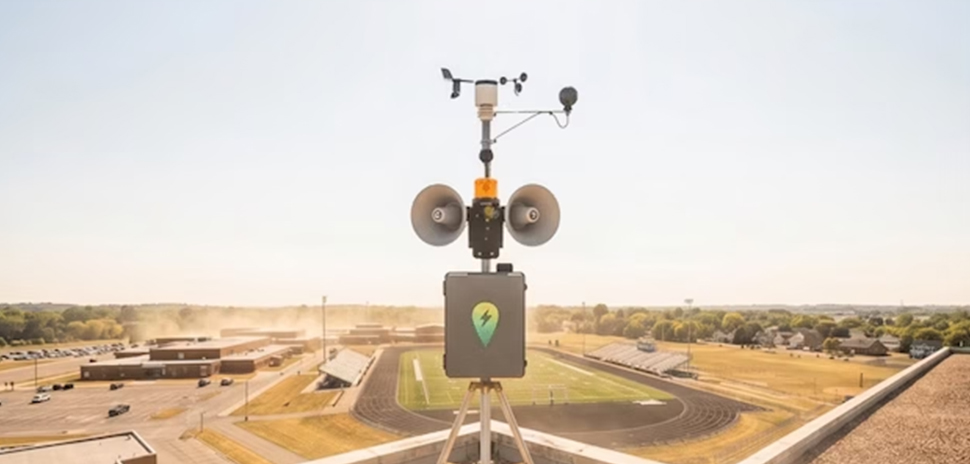
On-site weather stations monitor conditions where people work, practice and play, the company said. Automated sirens and phone notifications enforce the organization’s policy, telling people to change or halt activity. An all-clear announcement follows when conditions allow activity to resume.
Inside the platform
Perry Weather said it pairs the stations with cloud-connected software to deliver hyperlocal real-time monitoring for lightning, heat, wind, air quality and other hazardous conditions.
The Perry Weather system logs every alert, response and return to activity, “creating a defensible compliance record as weather regulations tighten,” the company said. “What once depended on someone watching and deciding is now automatic, consistent and documented.”
Investor confidence
Sri Rao, managing partner at Silversmith, will join Perry Weather’s board of directors in conjunction with the firm’s investment. He called Perry Weather a “category-defining company.”
“Colin and his team have built the modern standard for weather safety, and AI is further accelerating what Perry Weather does so well: turning differentiated, real-time weather data into better decisions and translating those decisions into action across mission-critical operations and workflows,” Rao said.
Regulatory tailwinds
More than 20 state high school athletic associations now mandate wet bulb globe temperature monitoring. This type of monitoring measures heat stress in direct sunlight, the National Weather Service said. It accounts for temperature, humidity, wind speed, sun angle and cloud cover.
The associations also require teams and other organizations to adjust activities when readings cross certain thresholds, Perry Weather said. This includes Texas’ University Interscholastic League, whose mandate took effect in August.
Workplaces also are adopting stricter weather policies. Seven states now enforce workplace heat standards, Perry Weather said. Meanwhile, the U.S. Occupational Safety and Health Administration has proposed the first federal standard for preventing heat injury and illness.
Perry Weather said its “approach is designed to standardize the response to weather, not replace the judgment of safety leaders.”
“The platform automates the monitoring and notification work that produces inconsistent enforcement and unnecessary shutdowns, freeing safety teams to run their programs instead of watching radar,” the company said.