Dallas-based Southwest Airlines said it just became the first U.S. airline to incorporate flight-shopping capabilities directly into ChatGPT, one of the world’s most popular AI tools.
Southwest’s ChatGPT plugin, which went live Tuesday, lets users search destinations and compare dates, times and fares in a ChatGPT conversation. After choosing a flight, the plugin sends the user to Southwest.com to enter passenger details, pay and complete the reservation.
Southwest said the plugin is the first phase of a broader AI-powered booking strategy it is developing with OpenAI, which owns ChatGPT, and Amazon Web Services.
New way to plan travel
Southwest said the plugin enables it to reach travelers earlier in their planning process, offering a more direct route from online research to online booking.
“Customers are evolving how they plan their travel, and Southwest is helping to shape what comes next,” Sabrina Callahan, chief digital and marketing officer at Southwest, said in a statement. “It is a meaningful example of how we test and learn with AI innovation to continue the customer-first approach that defines our brand.”
Callahan joined Southwest earlier this year as the airline’s first chief digital and marketing officer.
AI for today and tomorrow
Lauren Woods, Southwest executive vice president and chief information officer, said the airline is adding AI and other technology that supports customers today while giving them “flexibility to build what they’ll need tomorrow.”
“By creating a secure, scalable foundation for AI, we can add new capabilities more quickly and thoughtfully, making it easier to serve customers across their journey,” Woods said in a statement.
Southwest’s partnership with OpenAI and AWS involves using AI and cloud technology and capitalizing on Southwest’s customer insights. The effort will provide more intuitive travel planning while “thoughtfully expanding” AI capabilities over time, the airline said.
AI in aviation
Aviation trade publication The Flying Engineer said many airlines use AI to schedule flights and crews, handle travel disruptions, plan aircraft maintenance, enable dynamic pricing and improve fuel efficiency.
In 2025, Southwest collaborated with professional services firm PwC on a plan to modernize the app its crews use to track crew attendance and time off. During the project, PwC used generative AI to analyze the old app’s code and draft requirements for the new one. The AI use cut planning time in half, PwC said.
In a PwC case study, Marty Garza, Southwest’s vice president of technology for air operations and reservations, said the airline’s original app for attendance and time off was built on a legacy tech stack.
“It was slowing things down as it became increasingly difficult to maintain and enhance the system, especially due to a lack of accurate documentation and an overreliance on tacit knowledge,” Garza said. “We saw an opportunity to improve and update the technology so Southwest could mitigate potential risks, align operations with future business demand and support our operational efficiency and reliability goals.”
In May, Southwest also opened its first innovation center outside the U.S.
Southwest’s center in Hyderabad, India, focuses on AI, machine learning, data science, data analytics, digital engineering, cybersecurity and other tech specialties. The center expects to eventually employ more than 1,000 engineers and other tech professionals.
To the west of Southwest’s Dallas headquarters, Fort Worth-based American Airlines also concentrates heavily on AI and other tech innovations.
In 2025, for instance, American received a patent that uses an AI-powered virtual measurement system for baggage. The previous year, the airline said it built an AI system that grabs weather data and other information to determine ideal routes for flights.
R E A D N E X T
-

The cargo airline, based at Dallas Fort Worth International Airport, serves the U.S., Canada, Mexico and South America.
-
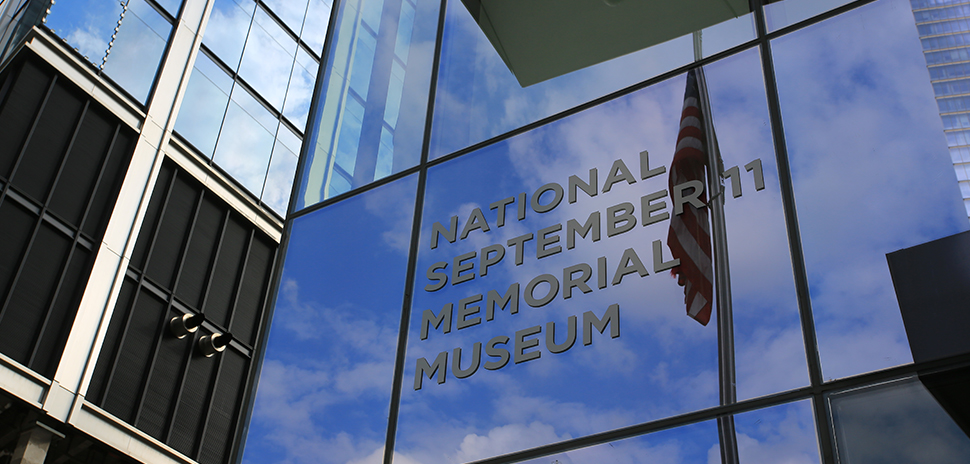
The airline is opening its collection of more than 1,000 9/11 artifacts to the National September 11 Memorial & Museum in New York City. It also is supporting The Never Forget Fund and the planned National 9/11 Pentagon Memorial Visitor Education Center.