Addison-based Firehawk Defense has reached unicorn status, closing a more than $150 million Series D funding round with a valuation of more than $1.4 billion.
Boston-based Advent International and West Palm Beach, Florida-based Rochefort Asset Management were the lead investors. Other new and existing investors and strategic partners also participated in the round, which the company said was oversubscribed.
Firehawk has made a name for itself in the defense tech space for its rocket propulsion technology. Its process for making rocket fuel replaces traditional batch mixing, casting and curing — which can take weeks — with a thermoplastic process that takes hours. The material it produces can be stored and later molded, extruded or 3D-printed into shapes for various rocket and artillery motors.
The company, previously known as Firehawk Aviation, said it plans to use the new capital to continue to scale production of artillery motors, solid rocket motors and propellant. It also will use some of the money to open more research-and-development sites and hire more people.

Will Edwards is founder and CEO of Firehawk Defense. [Photo: Firehawk Defense]
“This financing lets us turn a manufacturing breakthrough into production capacity the warfighter can count on,” founder and CEO Will Edwards said in a statement announcing the new investment. “It funds the next phase of production at volume. We are on a mission to make American strength inexhaustible, and we’re proud to have this continued vote of confidence as we do it.”
Scaling up
Firehawk operates a 320-acre propellant and motor production plant in Lawton, Oklahoma, and a missile integration plant in Crawford, Mississippi. It conducts R&D work, as well as static-fire and flight testing, at two sites in West Texas. It has roughly 150 employees across all its locations.
By the end of 2027, Firehawk expects to be the country’s largest producer of artillery motors and third-largest producer of propellant.
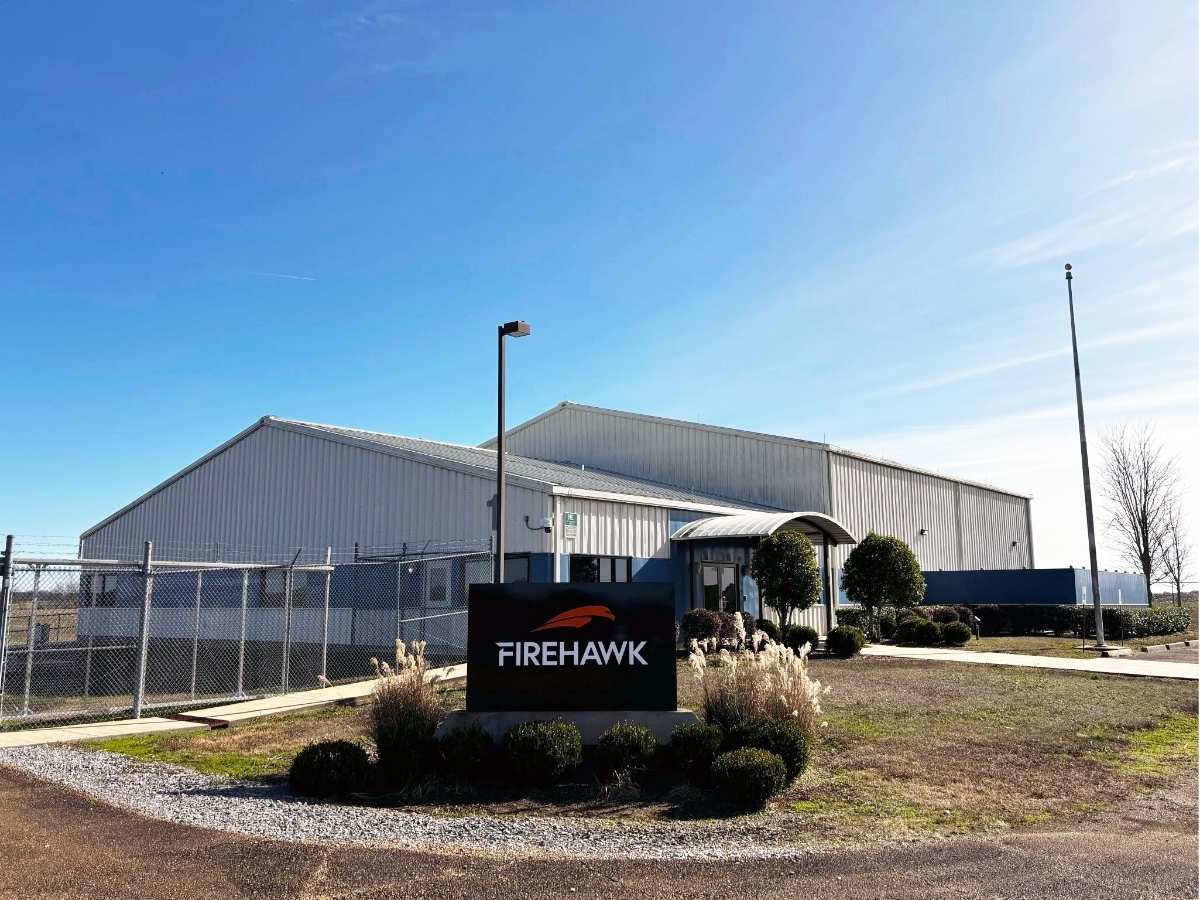
Firehawk Defense’s missile integration plant in Crawford, Mississippi, is one of the company’s five locations. [Photo: Firehawk Defense]
“I’m excited to see my team’s hard work see the scale that it is capable of,” Edwards told Dallas Innovates. “We had to invest a lot in infrastructure. We had to invest a ton into earning the trust of the customers to be able to get these bigger contract opportunities.”
Beefing up U.S. capacity for this type of defense technology deters military foes, Edwards said. “If you have a surplus of these systems, if you have that bigger stick, it can prevent conflict,” he said.
Rochefort Asset Management founder and co-CEO Kyle Bass made a similar case.
“Deterrence is not a talking point; it depends on whether America can build and replenish the weapons systems it needs, at the speed the moment demands,” Bass said in a statement. “Firehawk solves the problem at the source: inside the factory. Firehawk exemplifies the kind of innovative production capacity this country needs more of, and we are excited to help them accelerate production.”
Recent milestones
The latest funding round follows an oversubscribed $60 million Series C round in September 2025 and a strategic investment in November 2025.
It also comes on the heels of some significant contracts.
In May, General Dynamics Ordnance and Tactical Systems (GD-OTS) signed a deal with Firehawk to speed up development and production of 155mm base-bleed motors, which extend the range of artillery shells. That project pairs Firehawk’s thermoplastic propellant and compression-molding technology with GD-OTS’ metal-parts production and munitions-integration expertise.
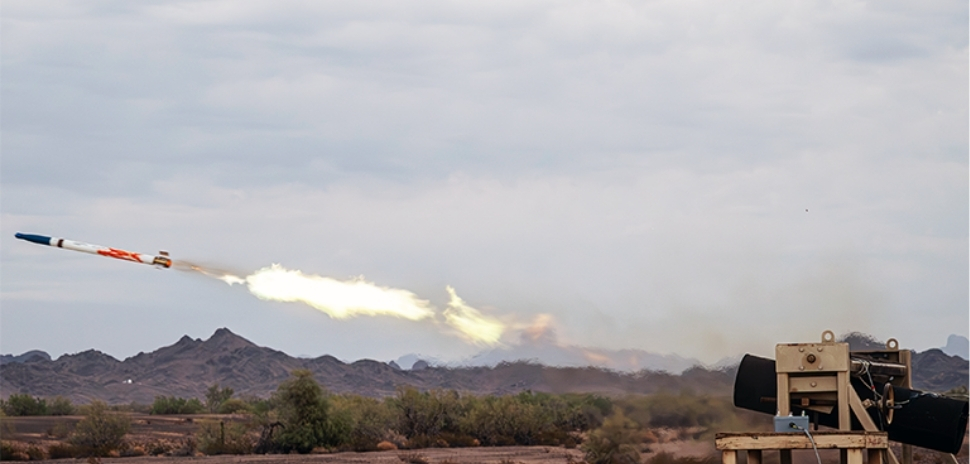
In August, Firehawk won a $24 million, 22-month contract from the Pentagon to expand propellant production for the M1128, a 155mm extended-range artillery projectile. In the same month, the company conducted a live-fire test of Hydra-70 rockets built at its Mississippi facility.
Hydra-70 rockets are air-to-ground rockets used by several branches of the U.S. military. The Army gave Firehawk an Other Transaction Authority award as part of an effort to diversify the Hydra-70 rocket supply chain. The test, at Yuma Proving Ground, achieved a 100% success rate.
“Firehawk is solving one of the most critical bottlenecks in the American missile supply chain,” Shonnel Malani, managing partner at Advent, said in a statement. “Its manufacturing approach is genuinely novel and has already won strong traction with both the primes and the end users.”
How Firehawk got started
Edwards co-founded Firehawk with Steve Edwards and Ronald Jones in 2019, before the defense tech boom took off. At the time, investors on both coasts weren’t interested, he said.
“When we were looking to fundraise off of this idea that we could change the way rocket propellant is produced, the [investors on the] East Coast, which is where I was living, said, ‘You’re crazy. Why would we ever need another rocket motor company? We’re set.’ The West Coast was like, ‘You’re crazy. Why would we ever work with a defense company? We have no interest in that,’” Will Edwards said. “…So I thought, where is there patriotic capital? Where can I blow things up, and where can I get good talent? And that was North Texas.”
A $2 million seed round in November 2020 was enough to hire a few engineers, which began to create momentum, Edwards said.
The company has since found a groove with fundraising, recruiting talent and securing government contracts, Edwards said. Next up: ensuring it has the capacity to deliver at scale.
“We know that even though we have these huge facilities, expansion is going to be critical,” he said.
R E A D N E X T
-
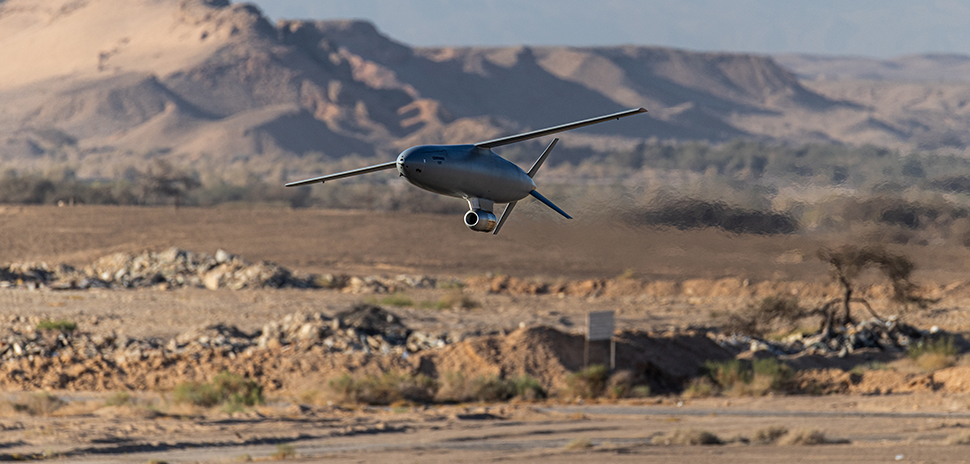
The Washington, D.C.-based company is ramping production of its Anthem long-range cruise missile in North Texas. Investors include Andreessen Horowitz, Founders Fund, Lux Capital, 8VC, Aleph and Lightspeed Venture Partners.
-
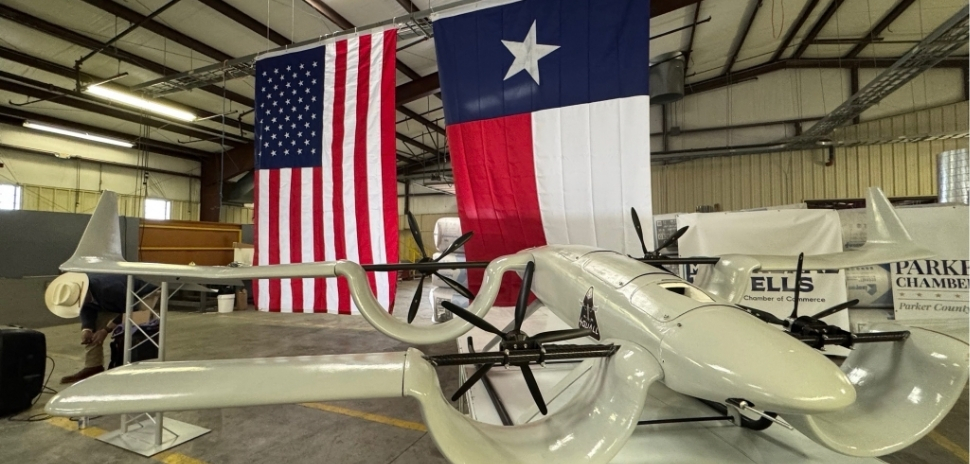
The startup, which recently emerged from stealth mode, has leased facilities at Mineral Wells Regional Airport for drone assembly, engineering, maintenance, training and flight operations.
-

SemperVirens led the round, UpSmith’s largest yet. The startup plans to add engineers and account executives and launch an AI voice agent for inbound customer calls.
-
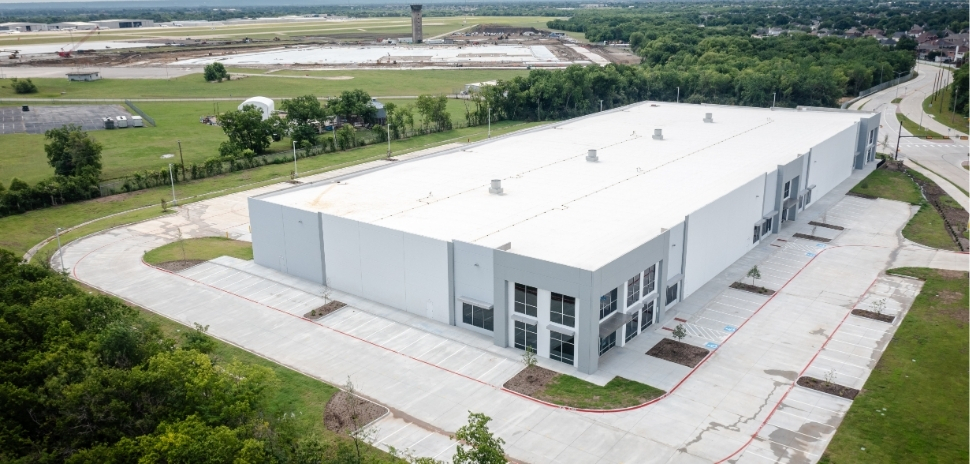
ACS will create at least 40 jobs by the end of 2032 at its new facility near Arlington Municipal Airport.
-
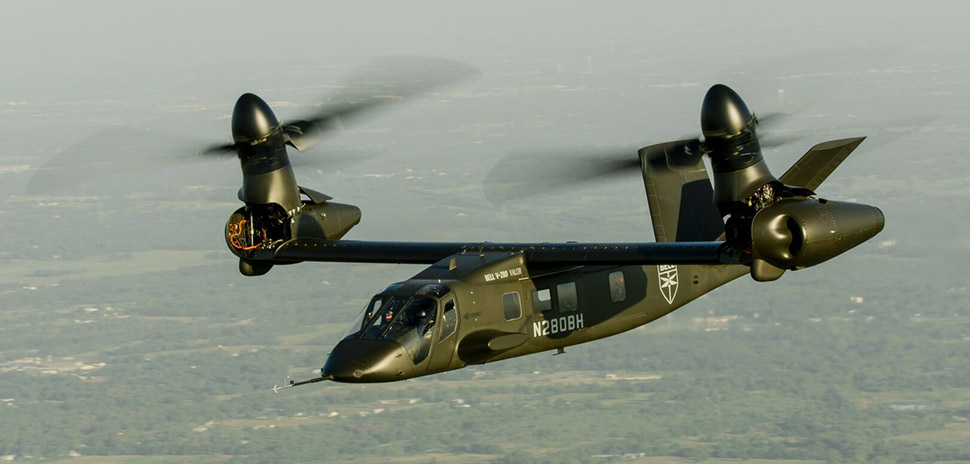
A Perryman Group study for the North Texas Commission finds the local defense industry supports more than 264,000 jobs across the region.