Time magazine’s list of the 300 best inventions for 2026 features eight with a Dallas-Fort Worth connection. The DFW list spans autonomous freight, synthetic biology, consumer electronics, medical devices and connected fitness.
It’s a cross-section that reflects how DFW’s mix of corporate headquarters, operations hubs and manufacturing plants has made the region a launchpad for commercial innovation.
Here’s a look at the DFW-linked honorees.
Aurora Innovation: Driverless 18-wheelers
Aurora Innovation, which operates a corporate and operations hub in Coppell, made the list with Driver 2, its second-generation hardware and software system for driverless trucks.
The numbers already show positive results. By September, Driver 2 trucks had logged more than 500,000 driverless miles without a single at-fault crash, Time said. The Pittsburgh-based company expects 200 second-generation trucks on the road before the end of 2026. Guiding them is a proprietary sensor that can see roughly 10 football fields ahead.
The business case is just as compelling. Without a human driver bound by rest requirements, Aurora can complete a Fort Worth-to-Phoenix run up to 40% faster than a conventional 18-wheeler, according to Time.
“It’s novel. It’s technically extraordinary,” Aurora co-founder and CEO Chris Urmson told Time. “And yet it’s all pretty boring.”
Boring, in this case, is the goal. Last year, Aurora launched what it called the country’s first driverless 18-wheeler delivery service on I-45 between Dallas and Houston. At that time, Aurora’s fleet had first-generation technology.
Beyond Coppell, the company operates DFW trucking terminals in Aledo and Palmer.
Colossal Biosciences: Artificial egg with conservation implications
Dallas-based Colossal Biosciences, the de-extinction company, delivered one of the list’s most eye-catching entries: an experimental artificial egg.
Colossal re-created a natural incubator by placing an ultrathin silicone membrane inside a rigid 3D-printed cup, Time said. Because the membrane is transparent, scientists can watch the embryo develop in real time.
The platform has already hatched 26 chickens. Andrew Pask, Colossal’s chief biology officer, told Time the technology could aid critically endangered birds such as New Zealand’s kākāpō, a species hampered by low hatching rates.
Samsung: Three wins for consumer electronics giant
South Korean consumer electronics powerhouse Samsung, whose U.S. headquarters is in Plano, is the list’s DFW heavyweight, with three products being recognized.
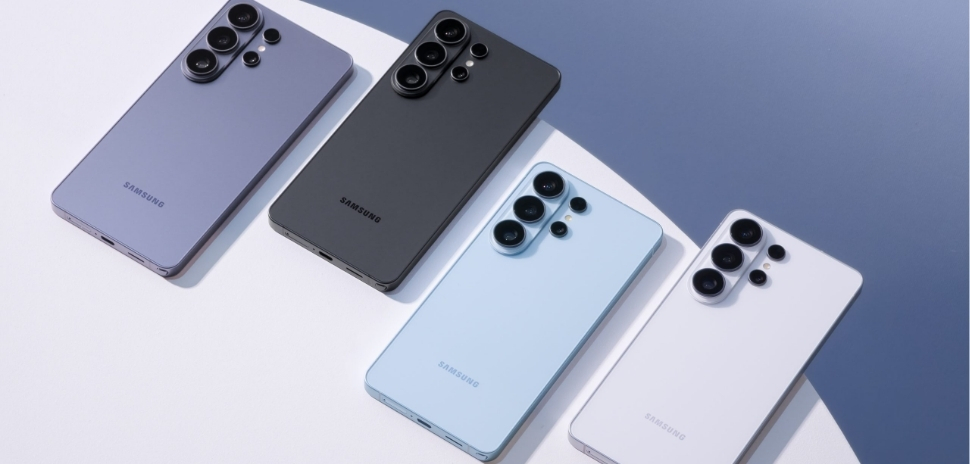
The Galaxy S26 Ultra smartphone pairs a more powerful camera, Galaxy AI features and pro-grade content creation tools with a new built-in privacy display. Time called the privacy function the phone’s “biggest selling point,” noting it “can dim screen visibility from the side and make snooping nearly impossible.”
The Bespoke AI Family Hub refrigerator showed how quickly AI capabilities are advancing in smart homes.
When Samsung first brought AI to the Family Hub in 2024, it could recognize some fresh foods, but packaged items had to be logged manually, Time said. With Google Gemini now integrated, the fridge can identify more than 2,000 packaged foods, read handwritten labels and flag items nearing expiration, then use that data to generate grocery lists and recipe recommendations.
Rounding out the trio is the Odyssey G8 gaming monitor, whose 6K resolution jumps past the 4K gaming standard. Samsung said the 6K monitor delivers “exceptional visual clarity and detail, enhancing immersion while providing a larger screen for both gaming and multitasking.”
EssilorLuxottica: An FDA first in pediatric eye care
French eyewear giant EssilorLuxottica, whose U.S. headquarters is in Farmers Branch, earned recognition for Essilor Stellest, a children’s lens that corrects nearsightedness while slowing the eye growth that worsens it.
Stellest is the first and only eyeglass lens authorized by the U.S. Food and Drug Administration to control myopia, Time said. The lenses look like traditional ones but contain 1,021 tiny lenslets. In a U.S. trial of children ages 6 to 12, myopia progression slowed by an average of 71% over two years compared with standard lenses, Time said.
OxeFit: Bringing AI into an all-in-one home gym
Plano-based OxeFit made the list with its XS1 Peak, an AI-powered all-in-one home gym that retails for more than $6,000.
The treadmill-sized system can be configured for strength training, Pilates, rowing or simulated cardio such as skiing and kayaking, Time said.
The true differentiator: real-time coaching.
“It uses AI, computer vision and sensors to correct the user’s form, change resistance in the middle of a rep and reduce the weight when the user is struggling, much like a human spotter,” Time said. “Afterward it folds up against the wall, like a Murphy bed.”
Helpany: DFW-made AI for senior care
Helpany, a startup with U.S. headquarters in Phoenix, makes fall-prevention devices under the brand name Paul in Dallas-Fort Worth.
The ceiling-mounted device combines radar and AI to detect subtle changes in the movements of senior-living residents and flag those at high risk of falling. Helpany said the technology can reduce falls by as much as 72%, a meaningful figure for operators in a sector where falls drive both physical and fiscal harm.
R E A D N E X T
-
The awards program spotlights visionaries, early adopters and trailblazers who are propelling innovation and shaping the future of North Texas tech.
-
The region’s Q3 haul ranks as its fifth-best quarter since 2016, yet year-to-date funding of $1.73 billion still falls short of 2025’s $1.9 billion pace.
-

North Texas has plenty to see, hear, and watch. Here are our editors' picks. Plus, you'll find more selections to "save the date."
-
You'll find deadlines coming up for a new accelerator program; and many more opportunities.
-
Set for Thursday, Oct. 22, the sixth annual venture capital and technology event connects investors, founders and innovators.
-
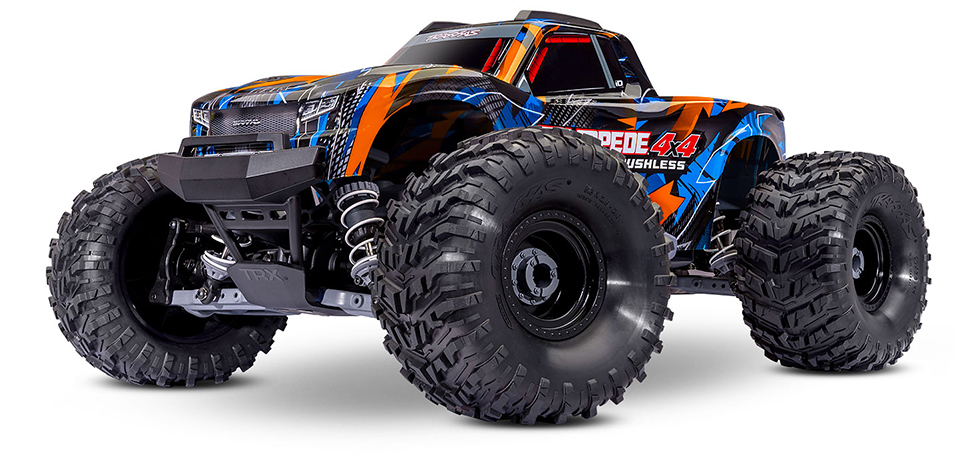
Dallas-Fort Worth logged 174 patents the week of Aug. 18, with McKinney’s Traxxas L.P. anchoring the region’s design output through five new grants and the three most prolific inventors in DFW.
-
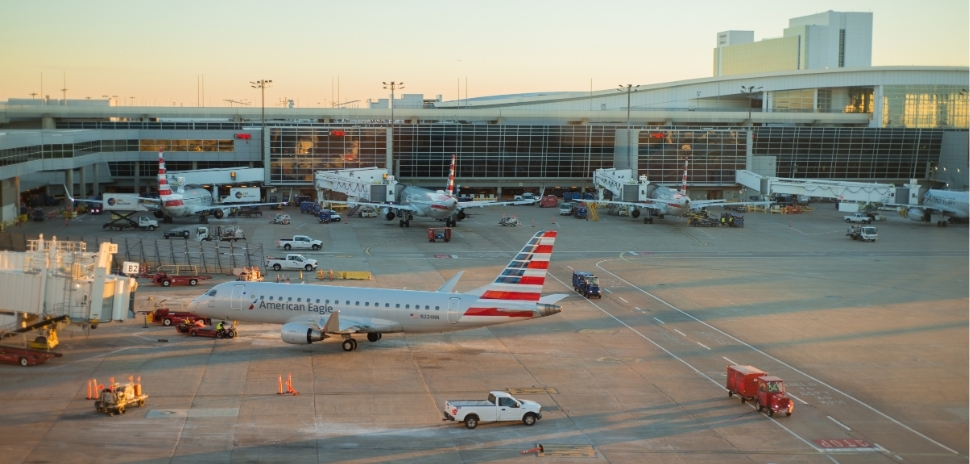
The airport, a founding member of the Airports AI Alliance, wants its new principal AI lead to put up guardrails, launch pilot projects and help drive a cultural shift.
-
A new CBRE report shows demand from hyperscalers and AI operators is pushing DFW data center construction, leasing and land prices to new heights.
-

Only the San Francisco Bay Area topped DFW, where 24 expansion-stage exits yielded $55.9 billion in the first half of 2026, a Deloitte report says.