
The North Texas private-sector defense industry contributes $35.3 billion per year to the regional economy, a new study said. To put that into perspective, El Salvador’s gross domestic product totaled $36.7 billion last year.
The study, prepared by the Waco-based economic research firm The Perryman Group for the North Texas Commission, also found the defense industry supports 264,603 jobs in the region. In addition, the sector generates $1.5 billion a year in tax revenue for local governments and $1.76 billion for state government.
Heavyweights in the region’s defense sector include Lockheed Martin, Bell Textron and Raytheon.
“North Texas has built aircraft, helicopters and missile systems for more than 80 years, and this study puts numbers on what that means for our region,” Chris Wallace, CEO of the North Texas Commission, said in a statement.
“These are well-paying jobs, and the tax revenue they generate helps fund roads, schools and public services. We wanted to put those facts in front of the people who make decisions about defense policy,” Wallace said.
The commission, a public-private partnership spanning 13 North Texas counties, presented the study Sept. 22 at its annual meeting in Irving.
The nuts and bolts
An estimated 100,000 people in the region work directly for private-sector defense companies, the study said. Their pay sits 41% above the regional average. The 164,600 related and indirect jobs pay almost 5% more than the regional average.
Tarrant County benefits the most of any North Texas county from the defense industry, the study said. The sector accounts for $12.8 billion in economic impact and 98,800 jobs in Tarrant County. Dallas County followed, with a $9.4 billion economic impact and 66,100 jobs. Third-ranked Collin County boasted a $5 billion economic impact and 36,000 jobs.
In November, commission leaders will travel to Washington, D.C., to brief members of the North Texas congressional delegation on the defense industry’s local impact.
Key players in the defense sector
Lockheed Martin
Lockheed Martin employs about 20,000 people in Fort Worth and 4,800 in Grand Prairie. The defense contractor’s aeronautics business is based in Fort Worth, and its missile program is based in Grand Prairie.
Lockheed recently rolled out Germany’s first F-35A aircraft at the Fort Worth site and announced expansions of its missile programs. In March, the company unveiled the Rapid Fielding Center in Grand Prairie, designed to accelerate production of weapons systems.
Bell Textron
Bell Textron employs more than 5,000 people at its Fort Worth headquarters and locations in Arlington and Grand Prairie. The company makes military and commercial helicopters.
Earlier this year, Bell Textron kicked off construction of a $632 million factory in Fort Worth’s AllianceTexas development to produce the MV-75 long-range assault aircraft. Other new facilities in North Texas include the $20 million-plus Drive Systems Test Lab in Grand Prairie and the Weapons Systems Integration Lab in Arlington.
Raytheon and Collins
RTX, the parent company of Raytheon and Collins Aerospace, employs more than 6,000 people in North Texas. They include workers at a Raytheon defense electronics campus in McKinney and at Collins manufacturing and R&D facilities in Richardson and Haltom City.
In April, Collins announced several contracts with Bell Textron to provide systems for the MV-75.
Other big and small players
Other defense industry powerhouses in North Texas include L3Harris in Arlington, Plano and Greenville; Boeing Defense, Space & Security in Plano and Richardson; General Dynamics in Mesquite; Northrop Grumman in Dallas; BAE Systems in Dallas; and GKN Aerospace North America in Westlake.
Smaller suppliers and startups add to the defense industry’s presence in North Texas.
For example, Dallas-based digital supply chain company Blue Yonder Defense Solutions in May landed a 5.5-year, $62 million contract from the Air Force for the Foundational Logistics Information Technology Enterprise System.
In Addison, Firehawk Aerospace recently secured a $24 million, 22-month contract from the Pentagon to expand production of propellant for the M1128 artillery projectile. In 2025, Firehawk landed a $4 million deal from the Air Force for rocket fuel technology. The company produces 3D-printed rocket fuel.
And in Carrollton, defense tech company UNION Technologies emerged last year from stealth mode and announced a $51.3 million seed round. UNION’s “factories as a stockpile” model helps ramp up defense manufacturing.
R E A D N E X T
-
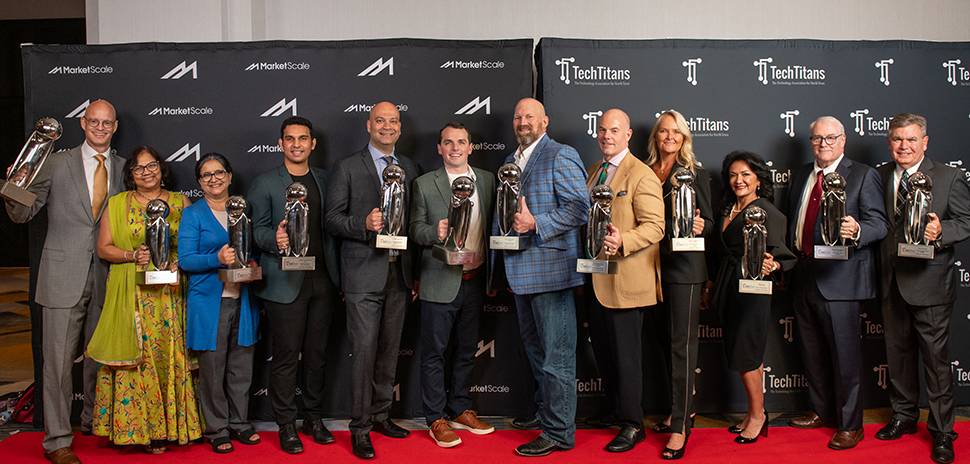
The awards program spotlights visionaries, early adopters and trailblazers who are propelling innovation and shaping the future of North Texas tech.
-

You'll find deadlines coming up for a new accelerator program; and many more opportunities.
-
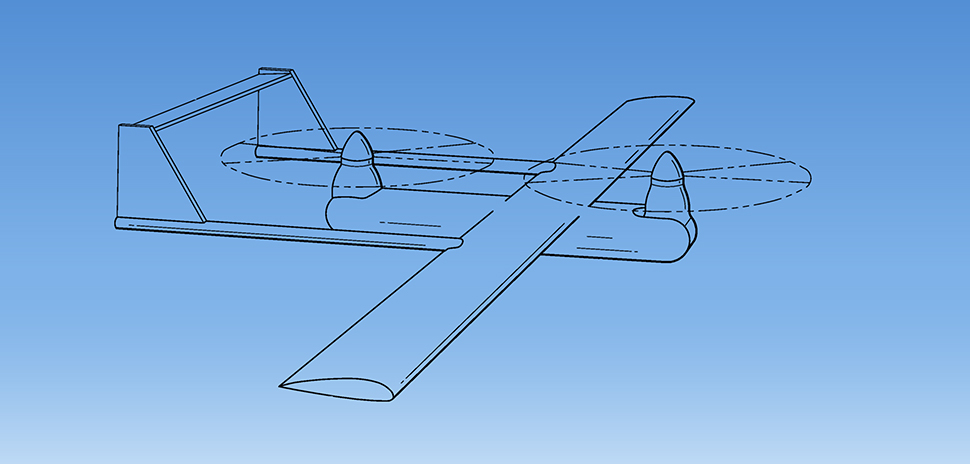
Dallas-Fort Worth ranked No. 8 for patent activity out of 250 metros for the week of July 14 with a total of 177 patents granted.
-
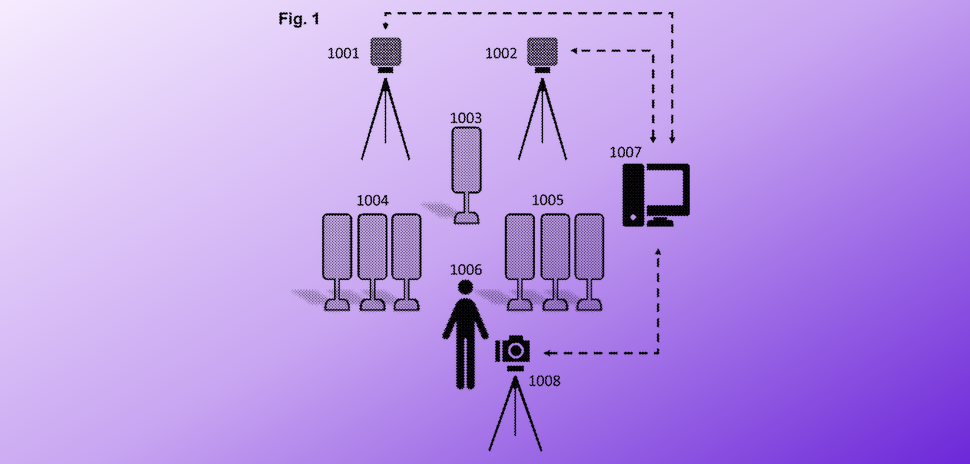 Patented: Nanoscope Instruments' Low-Vision Function Test and 134 More Inventions Across North Texas
Dallas-Fort Worth ranked No. 9 among 250 U.S. metros in patent production for the week of Aug. 11, with 135 patents granted to inventors and companies across the region.
-
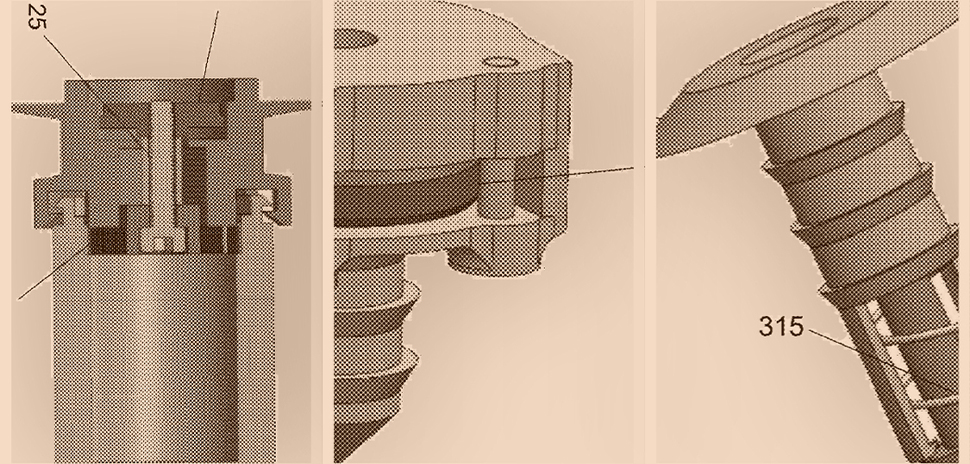
Dallas-Fort Worth ranked No. 10 for patent activity out of 250 metros for the week of July 21 with a total of 109 patents granted.
-
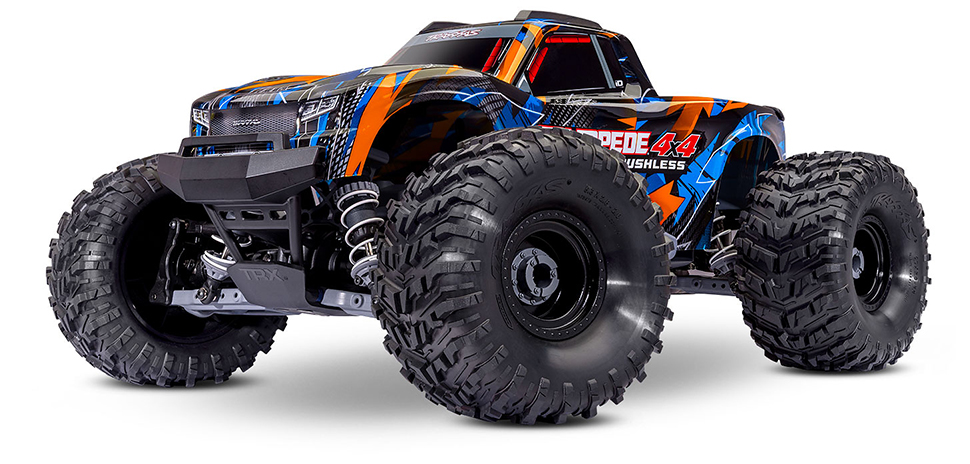
Dallas-Fort Worth logged 174 patents the week of Aug. 18, with McKinney’s Traxxas L.P. anchoring the region’s design output through five new grants and the three most prolific inventors in DFW.
-

Dallas-Fort Worth ranked No. 10 nationally with 114 patents the week of Sept. 1. One went to Dallas-based ProtectMed for a shield that covers the parts of the body that standard lead aprons leave exposed.
-
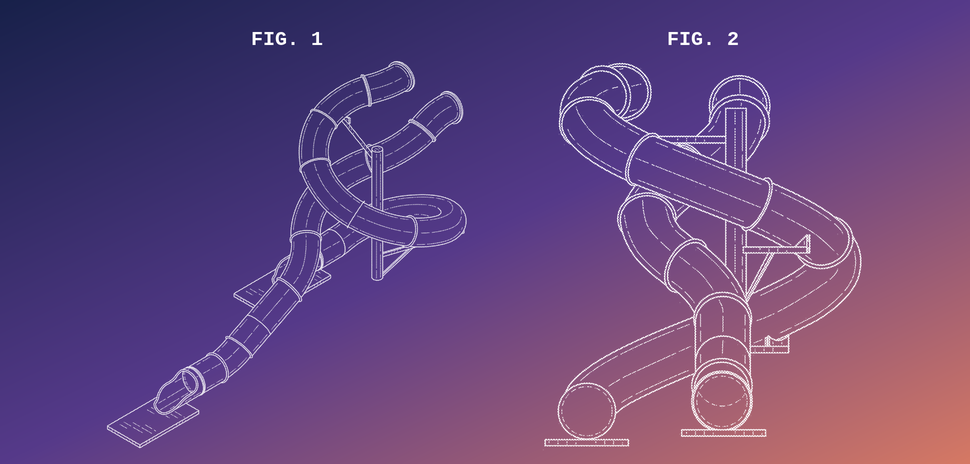
Dallas-Fort Worth ranked No. 8 nationally with 177 patents the week of Aug. 25. Two of those went to Michael Browning Jr., who received design patents for two types of slides used at Urban Air locations.
-
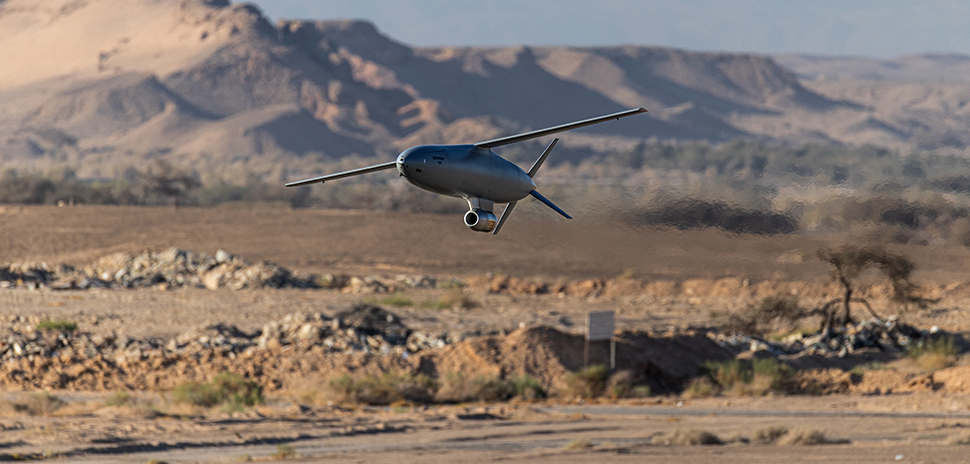
The Washington, D.C.-based company is ramping production of its Anthem long-range cruise missile in North Texas. Investors include Andreessen Horowitz, Founders Fund, Lux Capital, 8VC, Aleph and Lightspeed Venture Partners.
-
Leaders from TRA, IBM, ORCA Computing and IonQ will gather in Dallas for an interactive discussion on the business applications of quantum technologies.