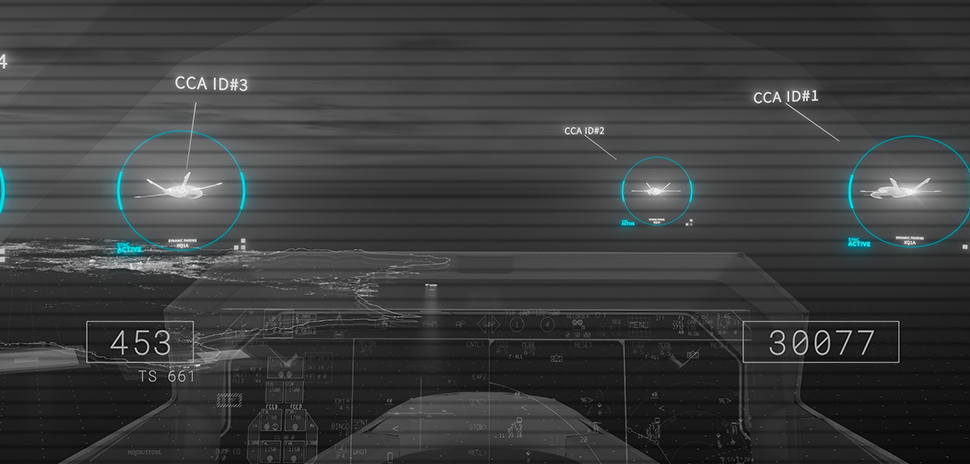
Defense tech firm Shield AI said it completed a live drone swarm exercise in Taiwan in which three Taiwanese-built drones flew a coordinated search mission under its Hivemind AI software instead of human pilots.
It’s the latest milestone for the company, which has a manufacturing facility in Frisco and is fast becoming one of the top defense technology companies in the U.S.
“You can build 10 million drones, but you can’t train 10 million drone pilots. Autonomy is the critical enabling technology to effectively leverage drones on the battlefield,” Brandon Tseng, Shield AI’s president and co-founder, said in a statement. “Hivemind’s ability to enable autonomous teaming is why autonomy is becoming one of the most important force multipliers in modern defense.”
Inside the hive
The Hivemind software is designed to pilot drones and other autonomous vehicles and robots. Shield AI’s manufacturing facility in Frisco — known as the “Batcave”— is where the company builds and tests its systems, including the V-BAT drone, and develops its AI software.
Founded in 2015, Shield AI is based in San Diego and has offices and facilities across the world. The company has seen its profile rise as the use of artificial intelligence in military operations has expanded. It was one of several defense tech companies to meet with the Department of Defense in June, the Washington Post reported, as the U.S. conflict with Iran depleted U.S. weapons stocks. Shield AI didn’t reply to requests for comment from Dallas Innovates.
Business growth
The demonstration earlier this month led to an expansion of the contract Shield AI signed in February with Taiwan’s National Chung-Shan Institute of Science and Technology, known as NCSIST, to integrate Hivemind into the institute’s unmanned systems, the company said in a press release. NCSIST engineers built the AI pilots themselves and put them on three of the institute’s Mighty Hornet III drones in less than three months, working alongside Shield AI engineers embedded at the institute.
In March, Shield AI raised $1.5 billion from investors at a $12.7 billion valuation. At the time of the deal, the company was seeking to expand its Hivemind software and acquire flight simulation company Aechelon Technology.
Shield AI has worked with Ukraine’s armed forces to train on its autonomous drones, and the company has contracts with Japan, the Netherlands, and the European Border and Coast Guard for its V-BAT drone, which is used for intelligence gathering. And in May, the company signed an agreement with the Pentagon to use Hivemind on low-cost, uncrewed combat attack systems, known as LUCAS drones.
The company has faced scrutiny over its technology. In June, Reuters reported a V-BAT drone had injured a Romanian Navy official during a test exercise off the Texas coast in May, reportedly the second incident involving serious injury during a V-BAT test. Shield AI told Reuters that “operational mishaps are common” for such drones, defended its safety record and attributed the May incident to a violation of safety procedures.
Demand has continued to build, and the company’s drones continue to impress U.S. officials. During a visit to Armenia in February, Vice President JD Vance announced the sale of $11 million in U.S. surveillance and drone technology, including V-BAT drones. It was the first major U.S. military technology sale to the country.
“We’re excited about this, Vance said. “It’s going to do great things for you guys.”
Don’t miss what’s next. Subscribe to Dallas Innovates.
Track Dallas-Fort Worth’s business and innovation landscape with our curated news in your inbox Tuesday-Thursday.
R E A D N E X T
-
The Dallas-based foundation is partnering with New York City worker advocacy nonprofit Lift Our Voices on the free Agentic AI Academy, a five-day pilot for community college learners.
-

Teladoc co-founder Michael Gorton wants people to be able to watch their favorite book. His latest startup turns novels into cinematic, episodic video—a "fourth book format" after print, ebook, and audiobook. It begins streaming its first title July 14, backed by a $2 million raise and an Emmy-winning "Band of Brothers" producer who's relocating to Dallas.
-
Jitin Bhandari will lead the Richardson company’s move into a new class of cloud providers that rent out the specialized chips powering artificial intelligence.
-
Researcher Habeeb Olufowobi will lead a project to build a safety layer to ‘help scientists confidently use AI in some of the world’s most advanced research facilities.’ It is one of 278 projects in a new federal effort.
-
Bottle Rocket founder and serial entrepreneur Calvin Carter and AI programmer-turned-medical-doctor Alex Sheppert developed Matic's agentic AI to take care of the busywork—"so physicians can focus on the patient and practices can optimize care."
-
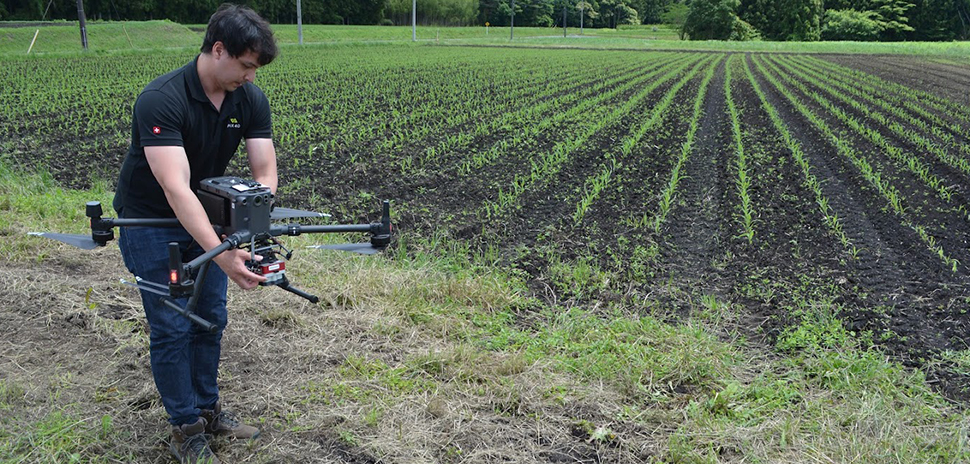
The deal pairs EagleNXT’s fixed-wing surveillance drones with the startup’s low-cost quadcopter platforms. CEO Bill Irby tells Dallas Innovates the company plans to grow its Allen workforce roughly tenfold as it ramps up production across its product lines.
-
After 18 months of working with select enterprise customers, founder and CEO Kalyan Kommineni says its agents are helping supply chain teams recover margin, cut costs and respond to customers faster.
-

The Southlake-based workforce management software provider is expanding into major grocery and food service accounts as it rolls out new AI-powered planning tools. Over the next several months, the company is expanding deployments with major grocery and food service customers across North America and internationally.
-
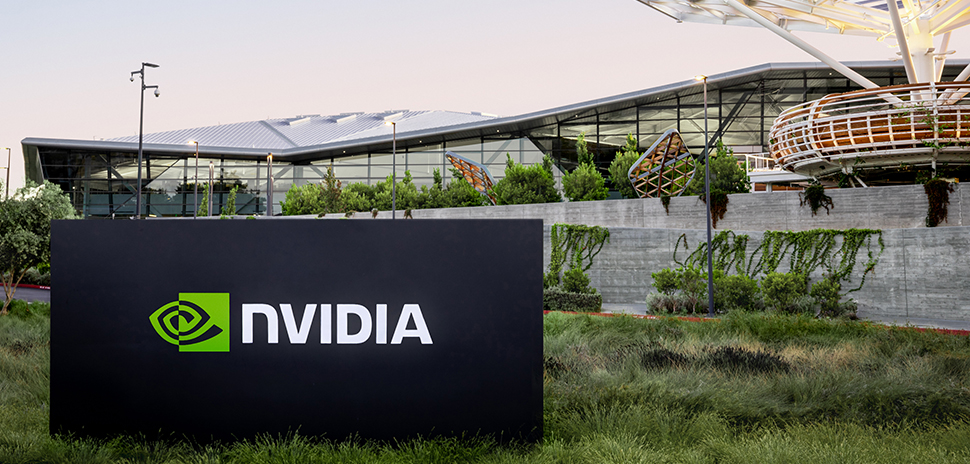
The advanced manufacturing facility will assemble and test NVIDIA AI systems. It represents a $761 million investment and will employ close to 1,000 people by the end of the year.
-
Because of the explosion in the use of artificial intelligence throughout society, the legal industry is undergoing seismic change, and the profession needs ways to build the judgment, confidence, and fluency to use AI effectively, BARBRI said.